Introduction: Why More People Are Choosing Care at Home
Imagine this scenario.
Your elderly parent needs regular health monitoring for diabetes and heart disease. Ten years ago, that likely meant frequent hospital visits, long waiting times, and constant stress for both patients and family members.
Today, things look very different.
A smartwatch can track heart rate around the clock. A glucose monitor can send readings directly to a healthcare provider. A video consultation can connect a patient with a specialist without leaving the living room.
This shift isn’t just about convenience. It’s becoming a necessity.
The global smart home healthcare market is projected to reach nearly $796 billion by 2034, while more than 800 million people worldwide live with diabetes alone. Healthcare systems simply cannot rely solely on hospitals to manage the growing demand for care.
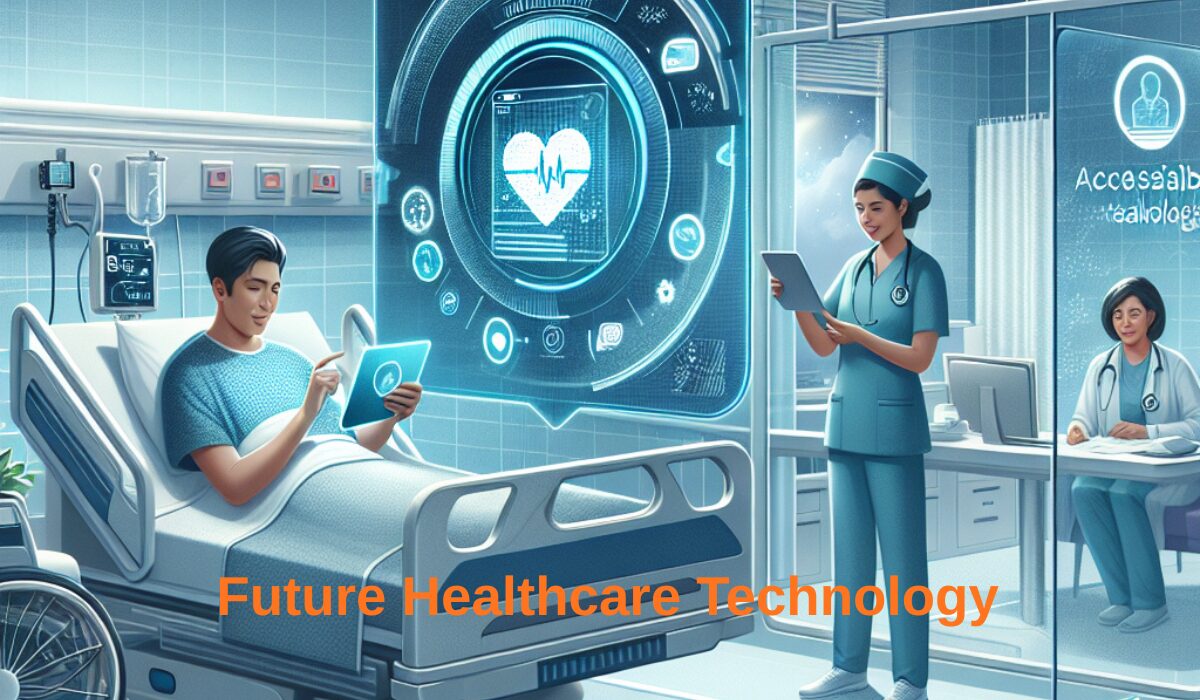
As a result, future healthcare technology is elevating at-home care from a basic support service into a highly connected, data-driven healthcare ecosystem.
In this article, we’ll explore the technologies making this possible, the benefits they bring to patients and providers, and what the future of home healthcare may look like over the next decade.
Why At-Home Care Is Growing Faster Than Ever
Many people assume the popularity of at-home care is mainly about comfort.
While comfort certainly matters, the real reasons are much bigger.
Key Factors Driving Growth
- Aging populations worldwide
- Increasing chronic diseases
- Rising healthcare costs
- Hospital overcrowding
- Healthcare workforce shortages
- Advances in digital health technologies
For many patients, receiving care at home provides something hospitals often cannot: familiarity.
Being surrounded by family, personal belongings, and a comfortable environment can positively impact recovery and emotional well-being.
A Common Misconception
One of the biggest myths is that home care means receiving less medical attention.
In reality, many modern patients are monitored more consistently at home than they would be through occasional hospital appointments.
Technology is making continuous care possible.
Remote Patient Monitoring: The Foundation of Modern Home Healthcare
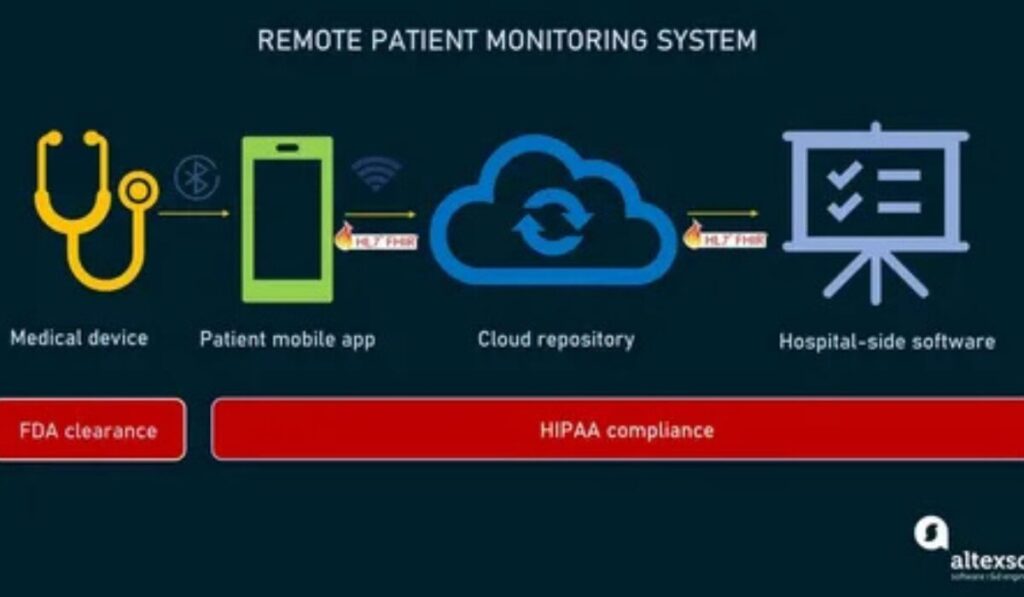
If I had to identify the single technology driving the home healthcare revolution, it would be Remote Patient Monitoring (RPM).
RPM uses connected devices to collect and transmit health information to healthcare professionals in real time.
What Can RPM Monitor?
Modern systems can track:
- Blood pressure
- Heart rate
- Blood glucose levels
- Oxygen saturation
- Respiratory rates
- Physical activity
- Sleep quality
Instead of waiting weeks between appointments, clinicians can receive ongoing health updates.
Why RPM Matters
Traditional healthcare often works reactively.
A patient feels worse.
They schedule an appointment.
The doctor investigates.
Remote monitoring flips that process.
Healthcare providers can identify warning signs before symptoms become severe.
Real-World Example
Consider a patient living with heart failure.
A connected monitoring device notices subtle changes in heart rate and oxygen levels.
The system alerts the care team.
Medication adjustments are made immediately.
A hospital admission that might have happened weeks later is prevented.
That’s the true power of remote monitoring.
Pro Tip
Many people think RPM is only for seniors.
In reality, younger patients managing diabetes, hypertension, asthma, or recovery from surgery can benefit just as much.
The AI Brain Behind the Sensors
Collecting data is useful.
Understanding data is powerful.
This is where artificial intelligence enters the picture.
Every day, wearable devices and monitoring systems generate enormous amounts of health information.
Without AI, healthcare professionals would struggle to analyze everything efficiently.
How AI Supports Home Healthcare
Artificial intelligence can:
- Detect unusual health patterns
- Identify early warning signs
- Predict disease progression
- Recommend interventions
- Prioritize high-risk patients
Think of AI as the analytical engine working behind the scenes.
Moving From Reactive to Predictive Care
One of the most exciting developments is predictive healthcare.
Instead of asking:
“What went wrong?”
Healthcare providers can ask:
“What is likely to go wrong next?”
This shift allows for earlier intervention and better outcomes.
Personalized Medicine at Home
Modern AI systems can combine:
- Medical history
- Vital sign data
- Lifestyle habits
- Sleep patterns
- Physical activity
- Genetic information
The result is highly personalized treatment recommendations.
Rather than receiving generic healthcare advice, patients receive guidance tailored specifically to their needs.
What Most People Get Wrong
Many people fear AI will replace doctors.
A better way to think about it is this:
AI helps healthcare professionals make faster, more informed decisions.
The technology supports human expertise rather than replacing it.
Telehealth Is No Longer Just Video Calls
When telehealth first became popular, many people viewed it as a temporary solution.
That perception has changed dramatically.
Today’s telehealth platforms offer much more than virtual appointments.
Modern Telehealth Services Include
- Specialist consultations
- Mental health counseling
- Physical therapy sessions
- Medication reviews
- Chronic disease management
- Post-surgical follow-ups
Patients can access healthcare expertise without spending hours traveling.
Benefits for Patients
- Faster access to care
- Reduced travel costs
- Greater convenience
- Improved appointment attendance
- Better continuity of care
A Practical Example
Imagine living in a rural community where the nearest specialist is three hours away.
Through telehealth, patients can receive expert consultations from home while still maintaining regular communication with their healthcare team.
That level of accessibility simply wasn’t possible a generation ago.
Wearable Technology Is Becoming a Personal Health Assistant
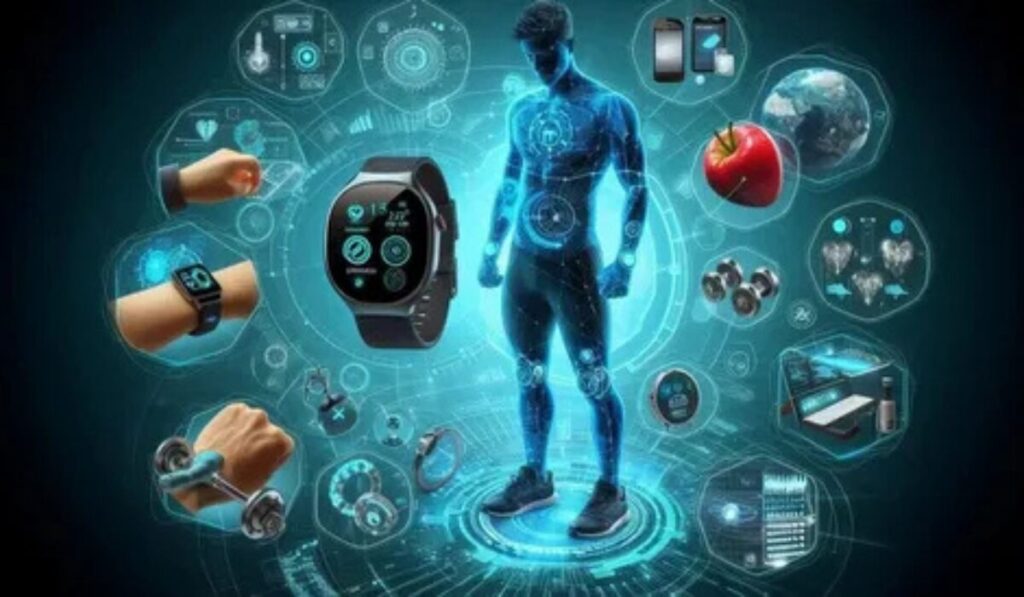
Most people know smartwatches can count steps.
What many don’t realize is how sophisticated wearable health technology has become.
Modern devices can function as miniature health monitoring systems.
Advanced Wearables Can Track
- Heart rhythm abnormalities
- Blood oxygen levels
- Sleep quality
- Stress indicators
- Physical activity
- Fall incidents
These devices provide healthcare professionals with valuable long-term health data.
Why Continuous Monitoring Matters
Traditional checkups provide a snapshot of health.
Wearables provide an ongoing story.
That difference can help identify issues that might otherwise go unnoticed.
Fall Detection Saves Lives
For older adults, falls remain one of the biggest health risks.
Many modern smartwatches can detect falls automatically and send emergency alerts to family members or healthcare providers.
This feature alone has already helped countless individuals receive assistance more quickly.
Smart Homes Are Becoming Part of the Healthcare Team
When people hear the phrase “smart home,” they often think about convenience.
In healthcare, smart homes are becoming safety tools.
Examples of Smart Home Healthcare Technology
- Voice-controlled assistants
- Smart lighting systems
- Motion sensors
- Smart medication reminders
- Automated temperature controls
- Connected door locks
These technologies help patients maintain independence while improving safety.
Example Scenario
An older adult wakes during the night.
Motion sensors automatically activate pathway lighting.
The risk of falling is reduced.
If unusual inactivity is detected, caregivers can be notified.
Small technological improvements like these can have a major impact on quality of life.
Internet of Medical Things (IoMT): Connecting Everything Together
One of the most important developments in healthcare is the rise of the Internet of Medical Things (IoMT).
This refers to connected medical devices that communicate and share information automatically.
Examples Include
- Smart glucose monitors
- Connected blood pressure cuffs
- Wearable ECG devices
- Smart inhalers
- Health tracking wearables
Rather than operating independently, these devices create an integrated healthcare network.
Why This Matters
Data flows seamlessly between:
- Patients
- Caregivers
- Physicians
- Healthcare systems
The result is better coordination and faster decision-making.
Electronic Health Records Are Making Care More Connected
Healthcare information used to be scattered across different providers.
That often created delays and communication problems.
Electronic Health Records (EHRs) help solve this challenge.
Benefits of EHR Integration
- Centralized patient information
- Improved care coordination
- Reduced duplication of tests
- Faster clinical decisions
- Better treatment continuity
When integrated with remote monitoring systems, EHRs create a complete picture of a patient’s health journey.
Virtual Reality and Augmented Reality Are Changing Rehabilitation
Few people associate virtual reality with healthcare.
However, VR and AR are becoming powerful rehabilitation tools.
Virtual Reality Applications
- Physical therapy
- Balance training
- Cognitive rehabilitation
- Pain management
Augmented Reality Applications
- Wound care guidance
- Medication instructions
- Caregiver training
- Home therapy assistance
Patients can participate in engaging rehabilitation programs from home while healthcare professionals monitor progress remotely.
Spotlight on Emerging Healthcare Technologies
If you’ve been following healthcare news recently, you’ve probably noticed a trend: diagnostic tools are gradually moving out of hospitals and into people’s homes.
And honestly, this may be one of the biggest healthcare shifts we’ll see in our lifetime.
Wearable Ultrasound Systems
One of the most exciting developments is wearable ultrasound technology.
Unlike traditional ultrasound scans that require appointments and specialized equipment, wearable ultrasound systems can provide continuous imaging while patients go about their daily activities.
Potential Benefits
- Continuous cardiovascular monitoring
- Real-time organ health tracking
- Earlier detection of abnormalities
- Reduced need for frequent hospital visits
Imagine a future where your doctor can identify signs of heart disease days or weeks before symptoms appear.
That future is getting closer.
AI-Powered Imaging
Modern wearable imaging devices are increasingly paired with artificial intelligence.
AI helps:
- Analyze imaging data
- Identify abnormalities
- Compensate for body movement
- Improve diagnostic accuracy
This combination creates a powerful system capable of delivering ongoing health insights from home.
Pro Tip
Many people think future healthcare is all about robots replacing doctors.
In reality, the most impactful innovations are often invisible tools that help healthcare professionals make better decisions faster.
Medication Management Is Becoming Smarter
Medication adherence remains one of the biggest challenges in healthcare.
Many patients accidentally:
- Miss doses
- Take medications at the wrong time
- Take incorrect amounts
Technology is helping solve these problems.
Smart Medication Solutions
Modern systems include:
- Automated pill dispensers
- Smartphone reminders
- Voice-assisted medication alerts
- Connected prescription tracking
Why This Matters
For patients managing multiple chronic conditions, medication consistency can significantly affect outcomes.
Even simple reminder systems can reduce complications and improve treatment success.
Real-World Example
Imagine an older adult taking six medications daily.
A smart dispenser automatically organizes doses, provides reminders, and alerts caregivers if medication is missed.
This reduces stress for both patients and families.
Mental Health Support Is Expanding Beyond Traditional Clinics
One area often overlooked in discussions about home healthcare is mental health.
Yet emotional well-being is just as important as physical health.
Technology Supporting Mental Health
Today’s solutions include:
- Virtual therapy sessions
- Mental health apps
- AI-powered support tools
- Online counseling platforms
- Mood-tracking applications
Benefits
- Greater accessibility
- Reduced stigma
- Faster support
- More consistent follow-up care
For individuals living in remote areas or dealing with mobility challenges, virtual mental healthcare can be life-changing.
Cybersecurity and Privacy: The Challenge We Cannot Ignore
Whenever healthcare becomes more connected, security becomes more important.
Healthcare data is among the most sensitive information people possess.
Common Security Risks
- Data breaches
- Device vulnerabilities
- Unauthorized access
- Identity theft
How Healthcare Organizations Protect Data
Leading healthcare systems use:
- Encryption technologies
- Multi-factor authentication
- Secure cloud platforms
- Continuous monitoring systems
A Better Way to Think About Privacy
Many people worry about sharing health information through connected devices.
That’s understandable.
However, modern healthcare technology providers increasingly build security into their systems from the beginning rather than treating it as an afterthought.
Patients should still choose reputable providers and understand how their information is stored and protected.
How Technology Is Reducing Healthcare Costs
Healthcare costs continue to rise worldwide.
Fortunately, technology-enabled at-home care is helping address this challenge.
Cost Savings Come From
- Fewer hospital admissions
- Reduced readmissions
- Earlier interventions
- Better chronic disease management
- Fewer unnecessary appointments
Example
A patient with hypertension uses remote monitoring equipment.
Instead of requiring multiple clinic visits each month, healthcare providers monitor blood pressure remotely and adjust treatment when necessary.
The result?
- Lower costs
- Better convenience
- Improved outcomes
Everyone benefits.
Benefits for Patients and Families
At its core, healthcare technology should improve people’s lives.
The most successful innovations do exactly that.
Key Benefits for Patients
Greater Independence
Patients can remain safely at home longer.
Better Quality of Life
Comfortable surroundings often contribute to emotional well-being and recovery.
Improved Safety
Fall detection and emergency response systems provide additional protection.
Personalized Care
Treatment plans can be tailored to individual needs and health conditions.
Better Access to Specialists
Telehealth removes geographical barriers.
Key Benefits for Families
- Greater peace of mind
- Improved communication
- Better care coordination
- Real-time health updates
- Reduced caregiver stress
Benefits for Healthcare Providers
The advantages extend beyond patients.
Healthcare providers also gain significant benefits.
Improved Efficiency
Automation reduces administrative workload.
Better Clinical Oversight
Continuous monitoring provides richer patient information.
Early Intervention Opportunities
Potential problems can be identified sooner.
Enhanced Decision-Making
AI-supported analytics help prioritize patient needs.
Workforce Support
Technology allows healthcare teams to manage larger patient populations more effectively.
What Will At-Home Care Look Like in 2035?
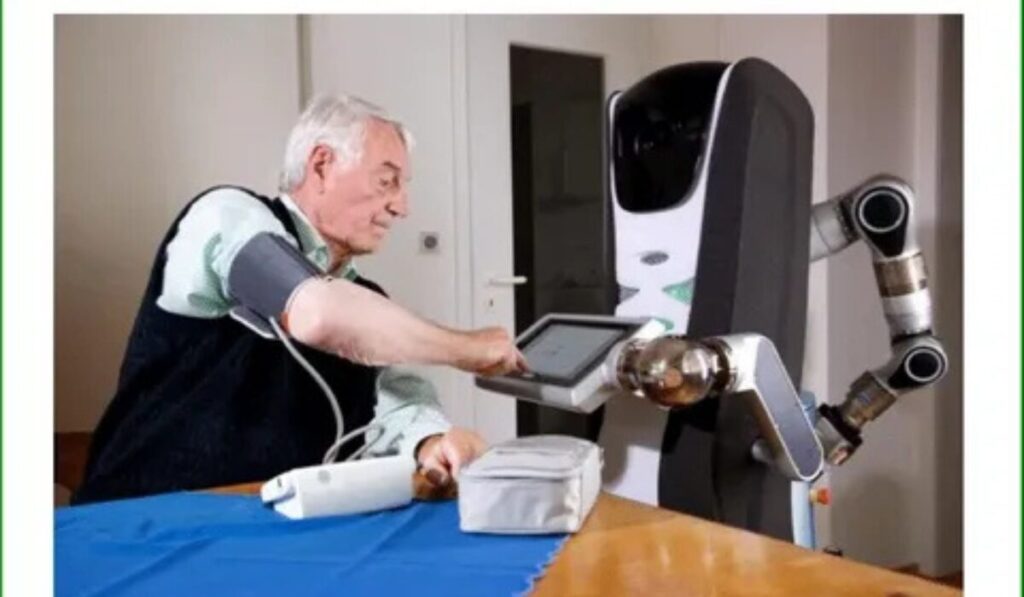
This is where things get really interesting.
Based on current trends, the next decade could bring remarkable changes.
Future Developments May Include
AI-Powered Personalized Medicine
Treatment plans that adjust automatically based on real-time health data.
Hospital-at-Home Programs
Patients receiving hospital-level care without entering a hospital.
Advanced Wearable Biosensors
Devices capable of monitoring dozens of health indicators simultaneously.
Continuous Diagnostic Monitoring
Real-time imaging and disease detection from wearable technologies.
Smart Home Healthcare Ecosystems
Homes designed to actively support health and wellness.
My Perspective
Many people assume hospitals will disappear.
I don’t believe that’s likely.
Instead, hospitals will increasingly focus on acute and complex cases while routine monitoring and chronic disease management shift toward the home.
The future of healthcare isn’t about replacing hospitals.
It’s about bringing more healthcare capabilities directly to patients.
Frequently Asked Questions
What is future healthcare technology in at-home care?
Future healthcare technology refers to advanced tools such as remote patient monitoring devices, artificial intelligence, telehealth platforms, wearable sensors, and smart home systems that allow healthcare services to be delivered effectively at home.
How does remote patient monitoring work?
Remote patient monitoring uses connected devices to track health metrics such as heart rate, blood pressure, glucose levels, and oxygen saturation. The data is transmitted to healthcare providers for review and intervention when needed.
Is at-home healthcare safe?
Yes. When supported by modern technologies and healthcare professionals, at-home care can be highly safe and effective for many patients, especially those managing chronic conditions or recovering from medical procedures.
How is AI improving home healthcare?
AI analyzes large volumes of patient data, identifies health risks, predicts potential complications, and supports personalized treatment decisions.
What are the benefits of telehealth?
Telehealth improves access to healthcare, reduces travel requirements, lowers costs, and enables convenient communication between patients and healthcare providers.
Will future healthcare technology replace doctors?
No. Technology is designed to support healthcare professionals by providing better information, improving efficiency, and enabling more personalized care.
Conclusion
Future healthcare technology is changing what it means to receive medical care at home.
What was once limited to occasional nursing visits has evolved into a connected ecosystem powered by artificial intelligence, remote patient monitoring, wearable devices, smart homes, telehealth platforms, and emerging diagnostic technologies.
The numbers tell an important story. With the smart home healthcare market expected to approach $796 billion by 2034 and chronic diseases affecting hundreds of millions of people worldwide, healthcare systems need smarter and more scalable solutions.
At-home care is becoming one of those solutions.
More importantly, these technologies are helping patients maintain independence, improve quality of life, receive more personalized care, and stay connected to healthcare professionals without constant hospital visits.
The future of healthcare isn’t confined to clinics and hospitals.
Increasingly, it’s being delivered right where people feel most comfortable — at home.
Found this article helpful? Visit our blog for more expert insights, technology trends, and practical guides.