Choosing between Ceros Pages and WordPress sounds simple until you start researching it. One article says Ceros is the future of interactive content. Another says WordPress dominates everything. Then you spend two hours reading generic comparisons that repeat the same points without explaining what really matters.
I’ve seen businesses make expensive mistakes here.
Some companies invest heavily in Ceros expecting it to replace their entire website, only to realize later that it’s not designed for long-term SEO growth or complex content management. On the other hand, I’ve also seen brands force WordPress into highly interactive campaigns that end up looking outdated and boring.
The truth is this:
Ceros and WordPress are not direct competitors in the traditional sense. They solve different problems.
And once you understand that, choosing the right platform becomes much easier.
In this guide, I’m going beyond the generic “pros and cons” lists you see everywhere else. We’ll look at:
- SEO performance
- pricing in 2026
- scalability
- hosting infrastructure
- interactive design capabilities
- business use cases
- long-term ownership
- real-world strategy
Most importantly, I’ll help you understand which platform actually fits your goals instead of blindly following trends.
Quick Comparison: Ceros Pages vs WordPress
| Feature | Ceros Pages | WordPress |
|---|---|---|
| Main Purpose | Interactive experiences | Full website management |
| Best For | Marketing campaigns & storytelling | Blogs, business sites, ecommerce |
| Ease of Use | Very beginner-friendly | Moderate learning curve |
| SEO | Limited compared to WordPress | Excellent SEO control |
| Customization | Visual customization | Full backend + frontend control |
| Scalability | Best for microsites | Scales from blogs to enterprise |
| Pricing | Expensive enterprise pricing | Flexible and budget-friendly |
| Hosting | Cloud SaaS platform | Self-hosted or managed hosting |
| Interactivity | Excellent | Requires plugins/custom code |
| Ownership | Platform-dependent | Full ownership |
What Is Ceros Pages?
Ceros is a cloud-based platform designed for creating immersive and interactive digital experiences without coding.
Think:
- animated landing pages
- interactive reports
- digital magazines
- scroll-based storytelling
- product showcases
- campaign microsites
Its biggest strength is visual engagement.
Instead of relying heavily on developers, marketing teams can create interactive experiences using a drag-and-drop editor.
In my experience, this is why many enterprise marketing teams love Ceros. It reduces development bottlenecks and allows creative teams to launch campaigns much faster.
But here’s what most articles fail to explain:
Ceros is not a full content management system.
That distinction matters a lot.
You’re not building large-scale database-driven websites inside Ceros. You’re building high-impact experiences.
What Is WordPress?
WordPress is the world’s most popular CMS, powering approximately 43.5% of all websites in 2026.
That statistic alone tells you something important:
Businesses still trust WordPress for long-term website growth.
Unlike Ceros, WordPress is built for:
- content management
- SEO growth
- ecommerce
- blogging
- memberships
- scalable architecture
- database-driven websites
Most people think WordPress is “just for blogs.”
That’s outdated thinking.
Modern WordPress websites can power:
- SaaS companies
- news platforms
- enterprise businesses
- ecommerce brands
- LMS systems
- marketplaces
If you’re interested in understanding how professional SEO systems and website structures are built for long-term ranking success, you can learn more through our digital solutions overview at Tech Business Enquiries.
The flexibility is honestly hard to beat.
The Biggest Misunderstanding About Ceros vs WordPress
Most comparison articles frame this like a battle where one platform “wins.”
That’s the wrong way to think about it.
A better way to approach this is:
- WordPress = website infrastructure
- Ceros = interactive experience layer
This is why many modern brands use both together.
For example:
- WordPress handles SEO, blogs, product pages, and site architecture
- Ceros handles campaign experiences and interactive storytelling
That hybrid strategy is becoming increasingly common in 2026.
Ease of Use: Which Platform Is Easier?
Ceros Is Easier for Designers and Marketers
Ceros was built for non-technical users.
Its drag-and-drop interface feels more like a design tool than a traditional CMS. If your team already uses tools like Figma or Adobe XD, Ceros feels intuitive quickly.
You can create:
- animations
- hover effects
- interactive transitions
- visual storytelling elements
…without touching code.
That’s a huge advantage for marketing departments.
Pro Tip
If speed of campaign production matters more than backend complexity, Ceros has a major edge.
WordPress Has a Bigger Learning Curve
I’ll be honest:
WordPress is more powerful, but it’s also more technical.
You need to think about:
- hosting
- plugins
- themes
- updates
- caching
- security
- optimization
Beginners sometimes feel overwhelmed initially.
However, once you understand the ecosystem, WordPress gives you far more control than almost any other CMS.
And tools like:
- Elementor
- Gutenberg
- Divi
…have made WordPress much easier than it used to be.
Design and Interactive Experience
This is where Ceros shines.
Why Ceros Is So Good at Interactive Content
Ceros was built specifically for immersive experiences.
You can create:
- animated storytelling
- parallax effects
- clickable infographics
- interactive product tours
- visual narratives
…very quickly.
I’ve seen brands increase user engagement dramatically by replacing static campaign pages with interactive experiences.
According to industry reports, interactive content can generate up to 22% higher conversion rates compared to static experiences.
That’s significant.
WordPress Can Still Be Interactive — But Requires More Work
This is something many people misunderstand.
WordPress absolutely CAN create interactive websites.
But usually you’ll need:
- plugins
- custom JavaScript
- animation libraries
- page builders
That means:
- more setup time
- more optimization
- more maintenance
So if your entire goal is highly immersive visual storytelling, Ceros usually delivers faster results.
SEO Comparison: WordPress Wins Clearly
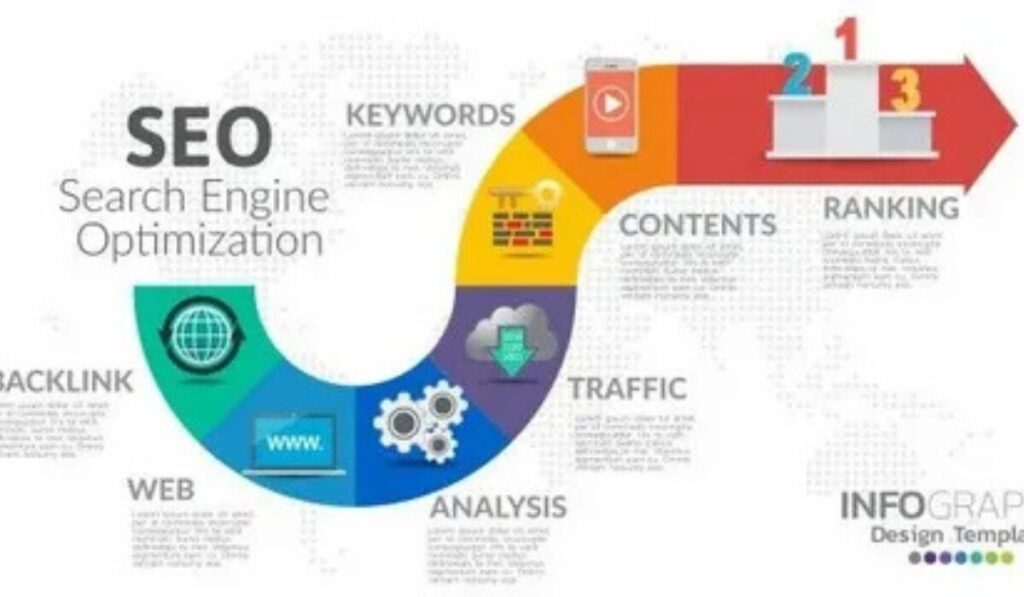
This is probably the most important section for long-term website owners.
And honestly, most competitor articles barely explain it properly.
Why WordPress Dominates SEO
Yoast SEO and Rank Math have changed the game for WordPress users.
WordPress gives you:
- complete metadata control
- schema markup support
- custom URL structures
- internal linking flexibility
- blog architecture
- category management
- content hierarchy
- SEO plugins
- image optimization
- advanced redirects
Most importantly:
Google crawls WordPress websites very efficiently when properly optimized.
That matters for ranking.
Why Ceros Struggles With SEO
This doesn’t mean Ceros is “bad.”
It just means SEO is not its primary purpose.
Interactive layers and heavy animations can create:
- crawlability limitations
- slower rendering
- Core Web Vitals issues
- indexing challenges
Most people get this wrong:
They expect Ceros to behave like a traditional SEO-focused CMS.
It’s not designed for that.
That’s why many companies use Ceros inside a WordPress ecosystem rather than replacing WordPress completely.
Performance and Core Web Vitals
Website speed matters more than ever in 2026.
WordPress Performance Depends on Optimization
A poorly built WordPress site can be slow.
But a properly optimized WordPress website can be extremely fast.
Performance depends on:
- hosting quality
- caching
- CDN usage
- lightweight themes
- optimized plugins
Tools like:
- WP Rocket
- LiteSpeed Cache
- Cloudflare
…can dramatically improve performance.
Ceros Performance Challenges
Ceros experiences often contain:
- large media assets
- animations
- visual transitions
- interactive layers
These can impact:
- loading speed
- Largest Contentful Paint (LCP)
- user experience on slower devices
This is another reason Ceros works best for:
- premium campaigns
- selective experiences
- engagement-focused pages
—not large SEO-heavy websites.
Pricing Breakdown in 2026
This is where many businesses get surprised.
WordPress Pricing
WordPress itself is free.
But costs come from:
- hosting
- themes
- plugins
- maintenance
- development
Typical Costs
| Setup Type | Estimated Cost |
|---|---|
| Beginner Blog | $50–$200/year |
| Professional Business Site | $500–$5,000+ |
| Enterprise WordPress | Much higher depending on scale |
The good thing is flexibility.
You can start small and scale gradually.
Ceros Pricing
Ceros is positioned as a premium enterprise platform.
Industry pricing reports show:
- small teams often pay $15,000–$35,000/year
- enterprise deployments may exceed $150,000+ annually
Monthly costs can range around:
- $2,000–$3,000/month
This is not a casual creator tool.
It’s designed primarily for:
- agencies
- enterprise brands
- large marketing teams
That’s an important distinction competitors often ignore.
For businesses looking for scalable and cost-effective digital growth strategies, WordPress combined with proper SEO planning is usually a more practical approach. You can learn more about structured digital marketing systems at Tech Business Enquiries.
Scalability and Long-Term Growth
WordPress Is Built for Scale
One reason WordPress powers so much of the internet is scalability.
You can start with:
- a small blog
…and grow into:
- enterprise infrastructure
- multilingual platforms
- ecommerce ecosystems
- membership communities
That flexibility is hard to match.
Ceros Is Better for Focused Experiences
Ceros scales differently.
It excels at:
- campaign experiences
- interactive storytelling
- visual marketing assets
But it’s not intended to manage:
- thousands of blog posts
- massive product databases
- large content ecosystems
That’s a crucial limitation to understand before investing heavily.
Security and Maintenance
Ceros Handles Most Security Internally
Because Ceros is SaaS-based:
- hosting
- updates
- infrastructure security
…are largely managed for you.
This reduces technical maintenance.
WordPress Requires Ongoing Maintenance
WordPress is secure when properly managed.
But you must:
- update plugins
- monitor vulnerabilities
- use backups
- implement security tools
Popular security plugins include:
- Wordfence
- Sucuri
In my experience, most WordPress security problems come from neglected maintenance rather than the platform itself.
Real-World Example: When Ceros Makes More Sense
Imagine a luxury fashion brand launching a new seasonal campaign.
They need:
- immersive visuals
- animated storytelling
- product interaction
- emotional engagement
SEO isn’t the priority.
The campaign only runs for three months.
Ceros is probably the smarter choice here.
Its visual-first approach creates a premium experience quickly.
Real-World Example: When WordPress Is Better
Now imagine a growing SaaS company.
They need:
- blog content
- lead generation
- SEO traffic
- integrations
- documentation
- long-term scalability
WordPress makes far more sense.
Why?
Because the business depends on:
- search visibility
- structured content
- ongoing growth
Those are WordPress strengths.
Can Ceros Replace WordPress?
Short answer:
Usually no.
And honestly, trying to force Ceros into being a full CMS often creates unnecessary problems.
Ceros is excellent at:
- engagement
- storytelling
- campaign experiences
WordPress is excellent at:
- website infrastructure
- SEO
- scalability
- database-driven content
They solve different problems.
The Smartest Strategy in 2026: Using Both Together
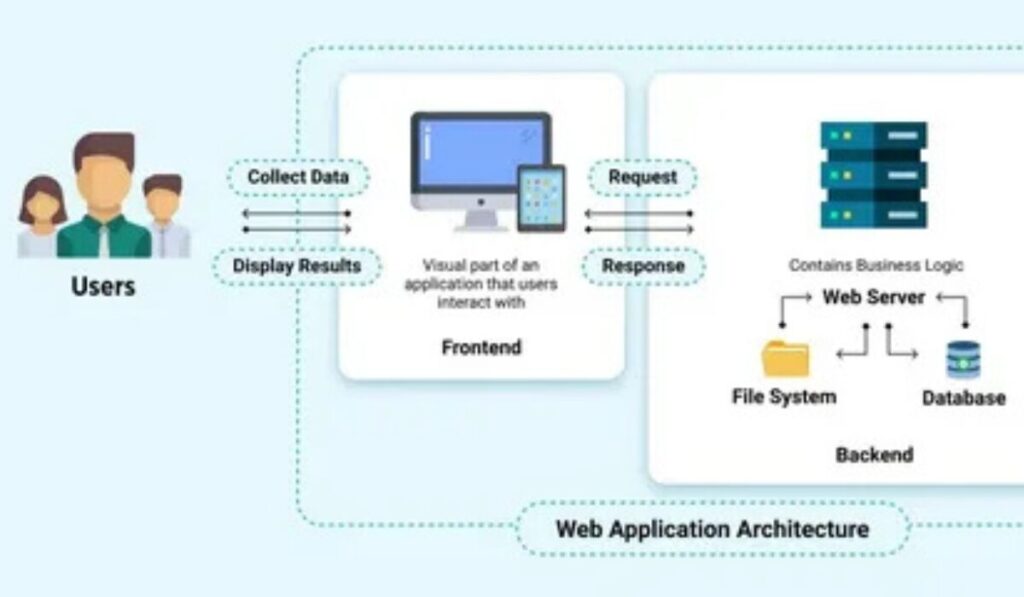
This is where advanced businesses are heading.
Hybrid Setup Example
WordPress Handles:
- homepage
- blogs
- SEO pages
- ecommerce
- content management
- lead generation
Ceros Handles:
- interactive campaigns
- product launches
- digital experiences
- immersive storytelling
This gives brands:
- SEO strength
- creative flexibility
- stable infrastructure
- better engagement
Honestly, this is one of the smartest approaches for modern digital marketing teams.
Who Should Choose Ceros?
Ceros is ideal if:
- you prioritize visual storytelling
- your campaigns are engagement-focused
- you want no-code interactive content
- you have enterprise-level marketing budgets
- SEO is not your main acquisition channel
Best users:
- agencies
- marketing teams
- creative brands
- enterprise campaigns
Who Should Choose WordPress?
WordPress is ideal if:
- SEO matters heavily
- you need scalability
- you want full ownership
- you run blogs or ecommerce
- you need flexibility long term
Best users:
- bloggers
- SaaS companies
- ecommerce brands
- publishers
- small businesses
- enterprise websites
My Honest Recommendation After Comparing Both
After analyzing both platforms deeply, here’s the reality:
If you’re building a full website that needs:
- SEO
- scalability
- ownership
- flexibility
- long-term growth
…WordPress is usually the stronger investment.
But if your focus is:
- premium visual experiences
- campaign engagement
- interactive storytelling
…Ceros can produce experiences that WordPress struggles to replicate quickly.
Most businesses don’t actually need to choose one forever.
The better question is:
“What role should each platform play in my digital strategy?”
That mindset leads to smarter decisions.
Final Verdict: Ceros Pages vs WordPress
Ceros and WordPress serve very different purposes, and understanding that is the key to making the right decision.
Choose Ceros if you want:
- immersive experiences
- interactive storytelling
- visually rich campaigns
- enterprise-level marketing content
Choose WordPress if you want:
- full website control
- SEO growth
- scalable architecture
- ecommerce functionality
- long-term flexibility
And if you want the strongest setup possible in 2026?
Use WordPress as your foundation and integrate Ceros strategically where interactive experiences matter most.
That approach gives you the best balance of:
- SEO
- performance
- creativity
- scalability
- engagement
—which is exactly what modern brands need.
FAQs
Is Ceros better than WordPress?
Not necessarily. Ceros is better for interactive marketing experiences, while WordPress is better for full website management, SEO, and scalability.
Why is WordPress still dominant in 2026?
WordPress powers around 43.5% of websites because of its flexibility, plugin ecosystem, SEO capabilities, and scalability.
Is Ceros worth the price?
For enterprise marketing teams focused on engagement and interactive storytelling, yes. For small businesses or bloggers, it may be too expensive.
Can you integrate Ceros with WordPress?
Yes. Many businesses use WordPress for their main website and embed Ceros experiences into specific campaign pages.
Which platform is better for SEO?
WordPress is significantly stronger for SEO due to better metadata control, plugins, schema support, and content architecture.
Is Ceros a CMS?
Not in the traditional sense. Ceros is primarily an interactive content experience platform rather than a full-scale CMS.
Which platform is better for ecommerce?
WordPress is the better option because it supports powerful ecommerce solutions like WooCommerce.
Which platform is best for marketers?
It depends on the goal. For SEO-driven marketing, WordPress is stronger. For interactive campaigns and visual storytelling, Ceros has a major advantage.
If you want deeper insights into how websites are strategically built for growth and SEO performance, you can explore our SEO and content strategy services at Tech Business Enquiries